Build a 24/7 Security Operations Center (SOC) with Free and Open Source Technologies
Introduction
Welcome to our complete guide to creating a 24/7 Security Operations Center (SOC) with free and open-source technologies. In today's digital era, safeguarding your organization's information assets has become more critical than ever. Cyber threats continue to evolve, and organizations across every size and sector face attack risks. A properly designed and fully equipped SOC is central to an organization's defenses, as it continuously monitors and examines the organization's security posture.
This ebook seeks to give businesses of every size a roadmap for constructing an effective SOC with free and open-source technologies. Through the use of these open-source tools, organizations can establish a fully operational SOC without excessive expense.
An open-source SOC can deliver a range of advantages, such as low cost, strong adaptability, and an active support community. It provides flexibility and customization that commercial software rarely offers. When you select open-source technologies, you can adjust the code to meet your particular requirements, incorporate it into your current infrastructure, and begin with a modest budget.
We will walk you through the process step by step, covering why a SOC matters, along with planning, design, team selection, technology selection, procedure implementation, ongoing improvement, and how to sidestep frequent errors.
Whether you are a business owner wanting to strengthen your protection against cyber threats or an IT professional hoping to expand your cybersecurity knowledge, this ebook guides you in building an effective, around-the-clock SOC with free, open-source technologies. Let's explore the world of SOCs and start our journey!

Understanding the Importance of a SOC
For any organization, no matter its sector, scale, or geography, preserving the security of data and network systems is critically important. The SOC, or Security Operations Center, sits at the core of an organization's cybersecurity framework. It detects, analyzes, and responds to cybersecurity incidents by combining technology solutions with a robust set of processes.
Meeting regulatory requirements is not merely about escaping penalties; it is about making sure your organization can keep operating effectively in a world that grows more digital. A SOC assists organizations in staying compliant with regulations by watching network traffic, identifying anomalies, and reacting quickly to any breaches.
Managed Security Service Providers (MSSPs) and Managed Service Providers (MSPs) gain considerable value from SOC services. As protectors of their clients' digital assets, they require a dependable SOC to reassure customers that their data remains safe and secure. This supports customer protection and also creates a solid basis for business growth by attracting new customers and keeping current ones.
For organizations that manage sensitive data, including financial institutions, healthcare providers, or government agencies, operating a SOC can be even more essential. A breach at such organizations could produce serious outcomes, such as financial loss, reputational harm, and even risks to national security.
To conclude, a SOC is not an optional luxury but a requirement in the modern digital landscape. Threats are genuine and continually changing, and a dedicated team working around the clock to defend your organization is vital. The next chapter will lead you through the initial steps of establishing a SOC: planning and design.
Planning and Designing a SOC
Creating a Security Operations Center (SOC) involves more than simply choosing the correct technology. First and foremost, you must plan and design your SOC carefully so it satisfies your organization's unique requirements.
Begin by defining your SOC's scope. Are you establishing a SOC to monitor your own organization, or are you a managed service provider (MSP) that will deliver SOC services to several clients? Your scope will strongly shape the structure and goals of your SOC.
Then, establish your objectives. What do you intend to accomplish with your SOC? Typical objectives involve stronger threat detection, faster response times, and an improved overall security posture. Your objectives will direct you in making important decisions along the way, including which capabilities you require and how to organize your SOC.
Your organization's size and the type of business you operate will also affect your planning and design. Larger organizations, and those facing greater threat exposure, may need a more advanced SOC with sophisticated capabilities.
As you evaluate features, consider what your organization truly needs for protection and compliance. You might require cloud service integrations, log correlation for improved threat detection, threat intelligence to anticipate new threats, automated incident response for rapid reaction to attacks, dashboard builders to visualize security data clearly, and compliance reporting to satisfy regulatory demands.
Keep in mind that thoughtful planning and design will establish your SOC's foundation. It is worth investing the time to do this stage properly, since it will affect how well your SOC addresses your cybersecurity needs.
Team Building and Certifications
A successful Security Operations Center (SOC) depends on a skilled team. The team forms the backbone of your SOC, so selecting the right combination of professionals with the necessary skills is essential. In this chapter, we will examine the wide range of skills and competencies needed, along with the roles you must fill to create an effective SOC team.
The Roles
Every SOC team needs a mix of distinct roles, with each role bringing its own expertise and abilities. The most common positions within a SOC team include:
1) Security Analysts: These professionals monitor, detect, and analyze potential threats and incidents, escalating them when needed. They are usually organized into tiers, where Tier 1 analysts handle routine threat monitoring, while higher tiers manage more complex analysis and response actions.
2) Incident Responders: They serve as the firefighting team of your SOC. Their responsibility is to respond to and manage security incidents in order to reduce the impact on your organization.
3. Security Engineers: These professionals handle the management and upkeep of the SOC’s technology infrastructure, such as SIEM systems, firewalls, and intrusion detection systems.
4. SOC Managers: They are responsible for supervising SOC operations, aligning team activities, and making certain the SOC achieves its goals.
Recruitment and Training
Locating skilled professionals with suitable expertise can be difficult. Promote diversity within your team by hiring individuals from varied backgrounds, including IT, cybersecurity, or even non-technical areas. Offer training and development opportunities so they can build skills and adjust to your SOC’s unique requirements.
Talent Retention
The cybersecurity field is well known for high employee turnover, which can harm SOC operations. Some ways to keep your team members include investing in their professional and personal development, providing competitive pay, and fostering a positive work environment.
Useful Certifications
Certifications lend credibility to your team’s abilities and expertise. Think about encouraging or even funding your team members to earn credentials such as Certified Information Systems Security Professional (CISSP), Certified Ethical Hacker (CEH), and Certified Intrusion Analyst (GCIA).
In conclusion, assembling the right team is the initial step toward creating a strong SOC. Keep in mind that a successful SOC depends heavily on the skills and expertise of its team. Invest wisely in your team, and it will yield returns in the form of a secure and protected organization.
Technology Selection
Selecting the right technology is a vital step in building an effective SOC. The technology you choose will serve as the foundation of your operations, allowing your team to monitor, detect, and respond to threats effectively. A SOC requires several essential tools and systems, and this chapter will walk you through each one, explaining why it matters and how to select the right option for your needs.
First, a Security Information and Event Management (SIEM) system is an essential part of any SOC. SIEM systems collect and examine data from multiple sources, delivering real-time analysis of security alerts produced by applications and network hardware. With SIEM, your team can respond to threats more quickly and effectively.
Threat Intelligence is another vital component. This technology supplies details about the newest threats, helping your team anticipate and prepare for possible attacks. Threat intelligence can offer insights into threat actors, their tactics, techniques, and procedures (TTPs), and the vulnerabilities they exploit.
Technologies for incident response and log analysis are important as well. Incident response tools enable your team to address security incidents rapidly and effectively, while log analysis tools provide useful insight into activity taking place on your network.
A key aspect to consider is real-time correlation capability. This lets your team correlate incidents, offering a more complete view of security events. This feature can help you spot patterns, detect threats faster, and prioritize responses.
Compliance reporting is another important consideration. With regulations such as GDPR and HIPAA, compliance is essential. Compliance reporting tools can help you show that your organization meets relevant regulations.
User entity management and cloud monitoring are two additional technologies that should be included in your SOC. User entity management enables you to monitor and manage user behavior, helping to detect and respond to insider threats. Cloud monitoring, by contrast, is essential for organizations that use cloud services. It lets you monitor the security of your cloud environment.
Finally, a dashboard builder will support the visualization and interpretation of data. This tool offers a single view of your security status, enabling you to make informed decisions quickly.
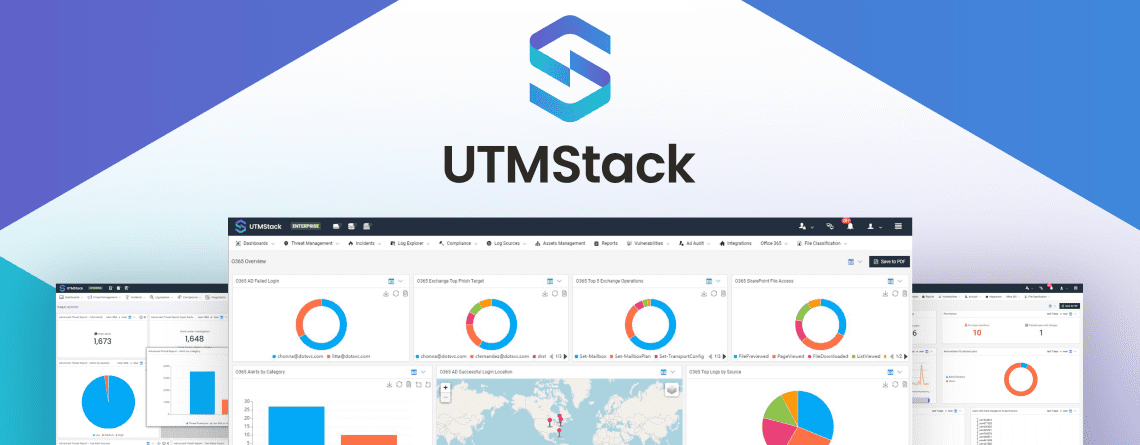
One technology that brings all these features together is Unified Security Stack. It is an open-source and free solution, making it an excellent option for organizations building a SOC on a budget. In the next sections, we will discuss in detail how you can use Unified Security Stack to build a robust and cost-effective SOC.

Implementing Processes and Procedures
Creating an efficient SOC requires developing and implementing clearly defined processes and procedures. These procedures will serve as the foundation of your SOC operations, guiding how your team responds to incidents, detects threats, and manages vulnerabilities.
Incident Response Procedures
Incident response is a critical part of SOC operations. When a security incident happens, how quickly and effectively you respond can greatly affect the damage caused. Your incident response procedures should describe the steps your team will take when a security incident is detected. These can include identifying and verifying the incident, containing the threat, eradicating the threat, and documenting the incident for future reference.
Threat Detection Procedures
Threat detection is another essential SOC activity. Your procedures should specify how your team identifies and classifies threats. This can involve using automated systems to monitor your network and spot suspicious activity or analyzing logs for indications of a potential attack.
Vulnerability Management Procedures
Your SOC should also have procedures for vulnerability management. This includes identifying potential vulnerabilities, assessing the risk they present to your organization, and taking action to mitigate those risks.
Creating and Implementing Procedures
To put these procedures into practice, you’ll need to document them clearly and make sure your team is fully trained. Regular reviews and updates will also be necessary to keep your procedures effective as the threat landscape changes.
Role of Technology in Implementing Procedures
Appropriate tools can enable and simplify your SOC workflows. As an example, SIEM platforms can take over much of threat detection and incident response, while vulnerability assessment solutions can assist you in spotting and handling possible weaknesses across your network.
To conclude, developing and applying processes and procedures is an essential part of SOC creation. They give your team the structure required to handle security incidents efficiently and address continuous threats, which helps safeguard your organization against cyber-attacks.
Continuous Improvement
A SOC is not something you build once and leave alone. Because the cybersecurity environment keeps shifting, your SOC needs to evolve and expand in response. That is why a SOC should be viewed as a living entity, continually adapting and enhancing itself in line with changes in threats and technology. In this chapter, we will explore the core of continuous improvement in SOC operations and give you a roadmap for sustaining your SOC's effectiveness over time.
Understanding The Need for Continuous Improvement
This chapter opens by emphasizing why continuous improvement matters in a SOC. This will involve examining the dynamic nature of cybersecurity threats and how they affect your SOC operations.
Setting Improvement Goals
The chapter will then offer approaches for establishing improvement objectives. This will cover the key performance indicators (KPIs) to track and how to define achievable improvement targets.
Implementing a Continuous Improvement Plan
After that, we will examine the phases of carrying out a continuous improvement plan. These phases will include spotting improvement areas, generating ideas for solutions, making changes, evaluating outcomes, and optimizing processes.
Continuous Training and Learning
People are central to SOC operations. Therefore, the chapter will also address the value of ongoing training and learning for your SOC team. This covers staying current with the latest cybersecurity trends, sharpening their abilities, and gaining lessons from experience.
Reviewing and Updating Technologies
Because technology sits at the core of a SOC, it is essential to assess your technology stack regularly. We will explain how to keep your technology current, from your SIEM systems to your threat intelligence tools.
Adapting to New Regulations
As new cybersecurity regulations appear often, ensuring your SOC remains compliant is important. This section will show you how to adjust your SOC to satisfy these new regulatory requirements.
Conclusion
The chapter will end with a recap of why continuous improvement should be a core part of your SOC operations. It will stress the value of taking a proactive rather than reactive approach to managing cybersecurity threats. It will also restate how continuous improvement can help your SOC remain ahead in the constantly changing world of cybersecurity.
Common Mistakes to Avoid
Setting up a Security Operations Center is a vital undertaking that demands accuracy, skill, and thorough understanding. Even with the best intentions, however, errors can still occur and undermine the SOC's efficiency and effectiveness. This chapter will identify these frequent pitfalls, helping you avoid them and build a highly functional SOC.
A frequent oversight when establishing a SOC is failing to train staff. Creating a SOC is not merely about forming a team; it also means continually developing their capabilities to match evolving cyber threats. As a result, a well-designed and consistent training program is vital if your SOC team is to remain ahead.
Another widespread error is not establishing clear roles and responsibilities. Without clear delegation and separation of duties, confusion can take over, producing inefficiencies and gaps in your cybersecurity defense. Well-defined job roles and responsibilities for your security analysts, engineers, and managers are essential for smooth operations.
One of the most damaging mistakes is not investing in suitable technology. A SOC requires strong and flexible technology such as Security Information and Event Management (SIEM) systems, Threat Intelligence, Incident Response, and more. Choosing inferior or inappropriate technology can severely weaken your SOC's effectiveness.
A common mistake that is often overlooked is not tuning correlation rules for each customer. Every customer has distinct needs and risks, so correlation rules must be customized accordingly to support accurate threat detection and response.
In addition, failing to define false positive rule tags can cause alert fatigue and lower analyst efficiency. Also, not building custom dashboards and reports for customers can harm service delivery and customer satisfaction.
Finally, not using Artificial Intelligence (AI) for alert analysis leaves an opportunity unused. AI can greatly accelerate threat detection and response, thereby improving your SOC's defensive capabilities.
Conventional SIEM systems frequently miss some of these essential features, leaving gaps in your cybersecurity defense. Unified Security Stack is designed to fill that need. As a comprehensive, open-source, and cost-free platform, Unified Security Stack supplies all these vital features and more, helping you prevent these common mistakes while building your SOC. In the chapters that follow, we will look more closely at how Unified Security Stack supports the creation of a robust and efficient SOC.
Legal Considerations
Before going into the technical details of setting up your SOC, it is important to consider the legal side. In cybersecurity, where protecting sensitive data is critical, understanding legal requirements is vital for both your business and your customers. This chapter will provide guidance on how to structure your Statement of Work (SOW) and Master Service Agreement (MSA) so that both parties are properly protected.
The SOW is a key document that defines the specific services you will deliver, the scope of work including tasks, responsibilities, and timeline. Here you will specify the particular parameters of your SOC services, such as 24/7 monitoring, incident response, threat detection, and periodic reporting. Defining these elements carefully will help prevent misunderstandings and establish clear expectations for your clients.
Within the SOW, the Service Level Agreement (SLA) is a vital element that establishes the performance standards your SOC should achieve. These may include response times, resolution times, and guarantees for system uptime. The SLA provides the foundation for your accountability to clients and plays a central role in building trust.
The MSA, by contrast, is a contract setting out the general legal and contractual terms between you and your client. It addresses matters such as data protection and confidentiality, liability limitations, dispute resolution, payment terms, and service termination conditions. Because the information your SOC will handle is sensitive, a strong MSA is essential to protect the interests of both parties.
To simplify this process, we have included a link to a resource that provides a customizable template you can adapt to meet your business needs. Nevertheless, we strongly recommend obtaining legal advice to make sure your SOW, SLA, and MSA are complete and legally sound.
Keep in mind that establishing a SOC is not only a matter of technology; it also requires a legal framework that supports smooth operations while safeguarding your business and your clients.
Conclusion
Creating a SOC (Security Operations Center) is a complex endeavor, but it is an essential step for businesses and organizations that seek to protect their digital assets and maintain strong cybersecurity measures. Even so, this does not need to be an uphill struggle. With thoughtful planning, the right team, and suitable technology, you can move toward a SOC that functions effectively.
In this ebook, we have looked closely at each of these areas, giving you a comprehensive guide to building your SOC from scratch. We have covered everything from understanding why a SOC matters to planning and designing your SOC, assembling a capable team, choosing the right technology, implementing processes and procedures, and continuously improving your SOC. We have also shared common mistakes to avoid and legal considerations to help ensure your SOC is both effective and compliant with all necessary regulations.
As we have discussed, one of the main benefits of building your own SOC is that you can customize it for your specific needs. This includes integrating various technologies and tools, based on your business type and level of threat exposure.
We have noted that open-source technologies are important. Tools such as Unified Security Stack, for example, provide many features a SOC needs, including security information and event management (SIEM), threat intelligence, incident response, log analysis, and more. Additionally, because it is open source and free, it greatly reduces the costs of building and operating a SOC.
However, building a SOC is not a one-time task. It demands ongoing improvement to keep pace with evolving cybersecurity threats and technologies. This is where regular training and updates come into play, ensuring your team always performs at its best.
In conclusion, whether you are a business owner, an MSP, or a MSSP aiming to establish your own 24×7 cybersecurity operations center, this guide offers comprehensive insights and practical advice to help you succeed. Building a SOC is a major investment, but it is an investment that will undoubtedly pay dividends through strong cybersecurity defense for your organization.