How do SIEM and XDR differ?
In Extended Detection and Response (XDR), the X generally suggests more effective methods for detecting and mitigating threats. Still, it can be somewhat confusing that XDR sounds similar to SIEM, since both involve feeding various items into a common collector.
Gartner, a well-regarded infosec analyst firm, describes Extended Detection and Response (XDR) as a SaaS-powered, vendor-specific cybersecurity threat identification and response tool. XDR is known for integrating different security products into cohesive security systems that unify all licensed components. Nonetheless, XDR is a relatively recent trend, and many cybersecurity providers and users fail to distinguish it from SIEM. The key difference is that XDR is inherently integrated with a range of products, primarily from the same provider, which lets it offer excellent threat detection and mitigation capabilities. XDR enables organizations to go beyond ordinary detection measures by providing comprehensive and simpler threat detection across the entire landscape. It also delivers timely information about detected threats to enterprise operations, allowing excellent and fast outcomes.
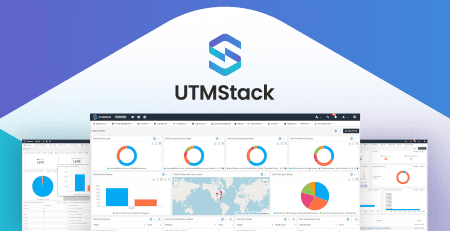
SIEM Tools
Security Information and Event Management, known as SIEM, consists of services and tools that deliver full visibility into an organization's information security. It also supports event log management, which allows data from disparate sources to be unified. SIEM makes it possible to correlate incidents gathered from various logs and security sources. In addition, SIEM provides automated notifications for security incidents; most SIEM platforms include dashboards for security-related alerts and many direct notification methods. Security Information and Event Management and Extended Detection and Response (XDR) technologies possess as many advantages and similarities as they do distinctions. For example, both solutions include new analytic features, machine learning (ML), automation, and security orchestration to support enhanced threat detection and mitigation. So, in what ways do these two infosec solutions differ? What fundamental distinctions separate XDR and SIEM?
XDR Tools
While XDR is centered on identifying, investigating, and mitigating security incidents as effectively and quickly as possible, SIEM essentially does that while also serving as a system that allows compliance inspection, reporting, and retention. To enable threat visibility and mitigation as well as compliance requirements, SIEM solutions leverage a vast amount of the organization's data, such as network, endpoint, and log information. Conversely, XDR solutions are not designed to meet compliance requirements in the way SIEM solutions are, so XDR solutions fundamentally do not require gathering log data to support threat detection and examination; instead, both endpoint and network information are sufficient. When an enterprise requires user logs to solve infosec issues, XDR solutions need far fewer of them compared with SIEM solutions.
SIEM is often criticized, though people forget that it is one of the best security solutions when handled correctly. Pulling log information from products by hundreds to thousands of providers, making sense of it, and generating meaningful alerts is a powerful task in itself. Still, SIEM is somewhat shallow. It gathers data from a wide variety of sources, but that data is limited. It cannot instruct a particular product class, for example, an endpoint protection platform (EPP), to hand over more data than generic formats support. And where the EPP adds advanced proprietary inspection capabilities, SIEM is extremely limited in how it can accommodate these new data feeds. Nevertheless, SIEM is widely used across various products and by many security vendors and remains a fundamental infosec solution.
Summary
In summary, XDR is usually distinguished as a system that provides built-in incident detection and response, in contrast to traditional SIEM solutions that only perform log management and correlation for threat detection without response capabilities. With the introduction of Next-Generation SIEM, the line between the two has become increasingly blurrier and more difficult to differentiate because incident response capabilities are included in SIEM products. A Next-gen SIEM and an XDR today offer the same features and are usually the same product under the hood; however, they may be sold under different names for marketing purposes.