Security as a Services
Today’s internet is far from safe.
Every day, cybercriminals devise more sophisticated methods to compromise security.
These attackers primarily seek to steal data and demand a large ransom for its return, or sell it for financial gain. Sadly, small and medium-sized businesses (SMB’s) that cannot afford advanced security tools become easy targets for these attacks.
So, what steps can these SMBs take?
Fortunately, a solution does exist. The rise of the cloud has created the entire as-a-service environment, in which service providers deliver various services to companies to meet their IT needs. Security as a Service(SECaaS) is one such service, which is a subset of SOCaaS.
The Verizon Data Breach Investigation Reports state that almost 43% of the cyber-attacks were targeted at SMB’s.
What does Security as a Service (SECaaS) mean?
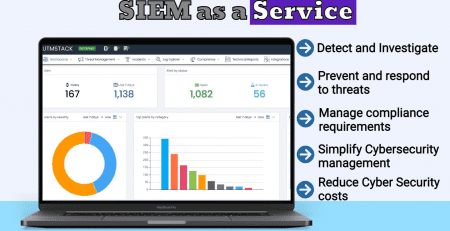
Security as a Service is a cloud-based service that provides robust cybersecurity solutions delivered to businesses. To grasp it more clearly, consider this. Through a monthly or yearly subscription charge, SMB’s can hand over all their cybersecurity requirements to managed security providers, who then take full responsibility for those companies’ online security.
What Advantages Does Security as a Service Offer?
Below are several of the numerous advantages that come with Security as a Service.
 1) Robust security 24/7
 1) Robust security 24/7
Security as a Service brings considerable peace of mind. Organizations can rest assured that their business is monitored and safeguarded against all potential cyber threats around the clock. Be it malware, ransomware, phishing, data theft, or attacks such as DoS(Denial of Service), DDoS(Distributed Denial of Service), and compromised APIs. SECaaS defends against each of these security breaches.
2) SECaaS is cost-efficient
On average, SMB’s lose £65,000 to cyber attacks through penalties, business downtime, and damaged assets. Security as a Service protects the company from the attack itself, thereby preserving substantial funds that would otherwise have been lost in the incident.
Moreover, SECaaS removes the need to purchase complicated security hardware, software licenses, or pay large sums to security specialists. The subscription model is much more affordable and can yield considerable savings over time.
3) Saves time
People say time is money, and that is certainly true. When businesses use SECaaS for their security requirements, they free up significant time and effort for their IT teams and administrators. Those teams can then direct this time toward higher-priority tasks such as product development, testing, or managing security inside the organization.
4) Access to experts
It is widely known that hiring an expert to work for your business requires a substantial fee. With SECaaS, however, that is not the situation. Providers of Security as a Service have top, highly experienced cybersecurity experts readily available. Companies can be confident that their business security rests with these experts, even though they are not directly on the payroll.
5) Latest and most advanced security tools
Anti-virus software and other security tools must always run on their newest versions to be completely effective. Security as a Service handles this. By deploying SECaaS across the organization, companies can use the latest and most advanced security tools without paying for them separately.
SECaaS Examples
Below are some examples of Security as a Service offerings.
1) Network security:
 1) Network security:
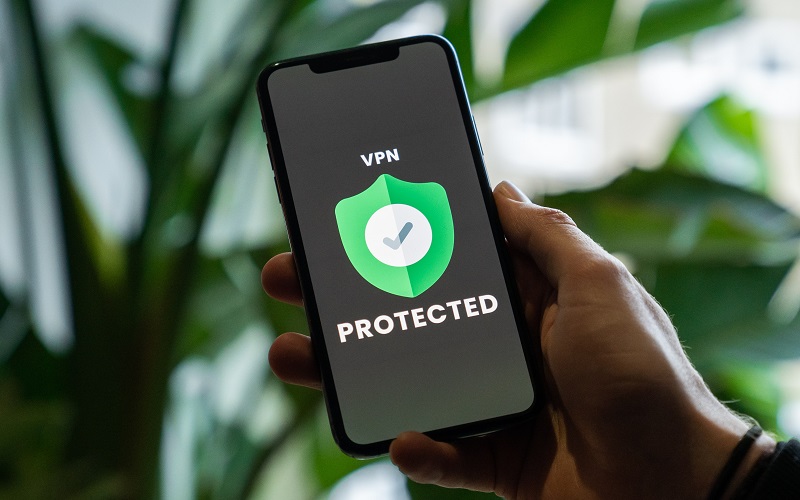
Software designed to help you control and monitor inbound and outbound network traffic in order to stop attacks.
Best providers: Unified Security Stack, Qualys, Tripwire
2) Website and app security:
Tools and services that safeguard every digital asset belonging to your company, including apps and websites.
Best providers: Unified Security Stack, White Hat Security, Veracode
3) Data loss prevention:
Tools that keep constant watch over your data and guard against its loss or theft.
Best providers: Unified Security Stack, SolarWinds, CoSoSys
4) Email security:
Considerable data and internal information move through your company’s email. SECaaS offers email security tools that defend your business against phishing, malware, and other security breaches.
Best providers: Proofpoint, Cisco, Barracuda
5) Disaster recovery:
Software and services that make sure your business and operations are restored quickly if an attack occurs.
Unified Security Stack ranks as a leading provider. Zerto and Carbonite are software solutions. IBM and Microsoft Azure Site recovery are service solutions.
How should I select my Security as a Service?
Selecting the correct Security as a Service provider is absolutely vital to your business’s success. A SECaaS provider can either make or break your business, so here are several factors to consider before you choose your Security as a Service provider.
1) Certifications
 1) Certifications
Above all, you need to verify that your service provider has the required certifications and complies with all regulatory requirements in your sector and country. Certain industries even require HIPAA and PCI-DSS certifications for the handling and retention of customer data. Be certain to verify this before making the leap.
2) Security requirements
First, write down every cybersecurity requirement your business has. Understanding your requirements will help you narrow the field to a few SECaaS providers that suit your specific needs.
3) Service level agreement (SLA)
This key document sets out critical items such as services, support options, attack response time, service fee, and non-compliance consequences of the service provider. It is essential to review it thoroughly to determine whether the SECaaS provider fits your needs.
4) Identity and Access Management (IAM)
IAM is another key policy that records who can and cannot access certain parts of your network. It is critical to review this document with your service provider. Otherwise, unauthorized people from the service provider’s end or your end could gain access to your systems.
5) Security expertise
Your security as a service provider is responsible for hiring professionals who take care of your security. You may want to do a little research to find out whether your provider has qualified and experienced professionals working for them. After all, you do not want to place your business in inexperienced hands, do you?
Common Questions
Is SECaaS identical to SaaS?
Security as a Service (SECaaS) and Software as a Service (SaaS) are not exactly the same. SECaaS can be seen as a subset of SaaS. SaaS delivers many applications over the internet on a subscription basis. SECaaS also follows a similar model, but it is limited to providing security services only.
Is SECaaS Dangerous?
Handing your business’s security over to a third-party service provider can feel quite daunting and look dangerous. Still, trusted providers exist, such as Unified Security Stack, in the marketplace, and companies have achieved success with SECaaS. Everything comes down to choosing the right provider. When selecting a SECaaS provider, a little research into their background and history can go a long way.
SECaaS Recap
Today, both SMB’s and large enterprises are moving toward outsourcing their cybersecurity. This is because SECaaS offers convenient, affordable, and easy solutions for all their security needs. Moreover, in a world where cyber threats increase daily and security resources are insufficient, security as a service gives companies a sense of peace and reliability.