Threat Intelligence Sharing as an Effective Cyber Security Strategy
What does cyber Threat Intelligence mean?
Cyber Threat intelligence is information gathering and analysis that helps organizations understand the nature of cyber threats as well as vulnerabilities. It also supports proactive defense and readiness to reduce risk if an attack occurs. Moreover, it enables organizations to connect information from multiple sources, helping them make stronger choices regarding their security posture.
Types of Threat Intelligence
- Strategic.
- Tactical.
- Technical.
- Operational.
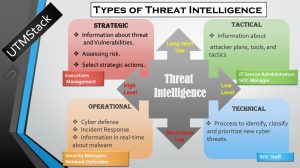 Categories of Threat Intelligence Strategic, Tactical, Technical, and Operational from Unified Security Stack.
Strategic
Strategic Threat Intelligence aims to give a long-term perspective on an organization's risk. This strategic element is vital for every organization, as it assists in spotting threats and vulnerabilities before they occur. Additionally, present intelligence lets businesses comprehend these issues, evaluate the risk, and choose an appropriate response.
Tactical
Tactical threat intelligence gives visibility into an attacker's intentions and goals. It also supplies details on which threats are operating in a specific area or industry sector and how to respond to an attack effectively. Typically, tactical intelligence is used alongside other defensive methods to fight a cyber-attack prior to impacting the organization.
Technical
Technical Threat Intelligence is an analytical method that enables security teams and organizations to detect, categorize, and rank emerging cyber threats. Its process usually starts when a new threat is discovered by a third party or via internal methods. Next, the process sorts the new threat to assess the severity of risk tied to that specific cyber-attack. As a result, it aids in finding the most effective countermeasures for addressing this cyber-attack.
Operational
Businesses rely on Operational Threat Intelligence (OTI) for daily operations to keep employees protected online while working. In addition, organizations can apply OTI to incident response by delivering real-time visibility into malware, emerging attack vectors, vulnerabilities, and other security concerns.
Benefits of cyber Threat Intelligence
- Helps Intelligence Analysts identify malicious actors and make accurate forecasts to prevent information theft.
- Enables Security Analysts to enhance an organization's cyber defense process.
- Facilitates Vulnerability Management since it gathers and examines data from multiple sources.
- Assures that Security Operations Centers (SOC) get real-time alerts from incidents.
- Enables the Computer Security Incident Response Team (CSIRT) speeds up incident investigations, analyses, and responses.
How is the Threat Intelligence Lifecycle defined?
The Threat Intelligence Lifecycle (TIL) is a procedure organizations use to uphold their information security. It enables them to spot threats and take required actions to control attack risk.
Key Objectives of each phase in the Threat Intelligence Lifecycle
- Direction.
- Collection.
- Processing.
- Analysis.
- Distribution and feedback.
Direction
The Direction phase permits the setting of objectives for the threat intelligence program. In most cases, security organizations need to know the types of threat intelligence so they can safeguard assets and respond to threats.
Objectives of the Direction Phase:
- Set the strategy for creating and rolling out a threat intelligence program that includes various departments under senior team leadership.
- Creating a budget to develop, maintain, and deploy the threat intelligence program.
- Building awareness of threats that could impact the organization, such as spotting new malware types or malicious actors.
- Figuring out which assets and business processes are at risk of attack. How to defend them.
- Finding gaps in security intelligence and the resources required to address them.
- Allocate roles and duties among the personnel involved.
Collection
Collection is the process of gathering data from various sources to assist organizations in identifying and analyzing future threats.
Objectives of the Collection Phase:
- Collecting threat information through analysis of social media, websites, and forums.
- Gaining access to restricted sources like dark web forums.
- Reviewing publicly available news and blogs.
- Extracting metadata and logs from internal networks.
- Facilitating conversations and targeted interviews with knowledgeable sources.
Processing
The Processing phase condenses raw data received from the collection phase. Consequently, Processing turns raw data into structured, manageable data sets. This is also where data analysts determine which threats are most important to the company. They then create a final report on their findings, summarizing what they discovered and recommending how to handle the situation.
Objectives of the Processing Phase:
- Cleaning data, such as removing duplicate entries or discrepancies among different datasets with similar content, and restructuring information before interpretation.
- Define the threats, including where they originate and how they manifest themselves.
- Preparing the data for analysis, which is the following stage of the Threat Intelligence Lifecycle.
Analysis
The Analysis phase of the TIL involves using collected information and processed intelligence to produce intelligence for a company's needs. In addition, the Analysis period comprises two parts: human analysis and machine learning algorithms.
Objectives of the Analysis Phase:
- Analyzing data to identify any patterns or connections that may help predict a possible incident.
- Define the implications that may arise from their use of various technologies, such as Artificial Intelligence.
- Prioritizing these threats according to their severity and the other operations they may affect, such as human safety or finances.
- Determining how we can counter these threats, such as through ongoing collaboration with partners or by implementing new security features in our software products.
- Evaluating what type of intelligence is required to counter the current threat and who holds those pieces of intelligence.
- Create Data Protection Objectives (DPOs) against cyberattacks, physical attacks, and insider attacks in order to safeguard the organization and customer data.
- Confirm conclusions by using machine learning algorithms that are trained on recognized malicious behavior in practical work settings.
Dissemination and Feedback
The Dissemination and Feedback phase informs stakeholders about potential risks, vulnerabilities, and threats discovered in the organization during earlier phases. Through the current stage, companies can distribute information and measure its impact on people's lives in order to improve their processes.
Objectives of the Dissemination and Feedback Phase:
- Give all stakeholders updates about the latest intelligence.
- Distributing information through blogs, wikis, or social media posts.
- Using feedback from stakeholders and developing a plan to improve future campaigns.
Which tools are used for Threat Intelligence?
Representatives from the intelligence community define a Threat Intelligence tool as a software application that enables users to collect, process, store, and display information about security threats to assist organizations in managing their cybersecurity.
Best 5 Threat Intelligence tools
Unified Security Stack
Unified Security Stack A free Next-Gen SIEM and compliance platform helps SMBs identify and mitigate cyber threats. The tool also covers all phases of the intelligence cycle, including analysis, data collection, and more. It further includes the development and implementation of protection measures and up-to-date monitoring to improve prevention. Unified Security Stack relies on threat intelligence solutions from multiple IP feeds and blacklisted domains to detect the most complex attacks. Moreover, it can report any threats.
To conclude, Unified Security Stack is an intelligent information processing system that provides every cybersecurity service. A few of them are SOC as a service, Penetration Testing, Vulnerability Assessment, Dark Web Monitoring, etc. Also, with the SIEM flattening the learning curve, customers can easily understand whether they are being attacked and by whom.
IBM X-Force
IBM X-Force Threat Intelligence is cloud-based analytic software that delivers useful details on possible cybersecurity threats and attacks. Typically, IBM examines dark web data to learn about potential threats. In addition, the threat intelligence database is continually refreshed according to new findings and intelligence sources. Conversely, the tool is able to process more than 400 million events each day, giving users updates on emerging information. IBM also supplies a score to assess the risk level of threats.
McAfee Enterprise Security Manager
McAfee SIEM is an enterprise threat intelligence solution for watching networks and systems. It gives a snapshot of the threats the enterprise currently faces, helping them make well-informed choices. In addition, McAfee identifies the latest threats without performance lags or manual involvement, so experts can access current data. The SIEM can be configured to block any emerging threats automatically before they enter the company's network or system. It also offers a broad range of advanced analytics.
SolarWinds Security Event Manager (SEM)
SolarWinds' security intelligence tool is a free, open-source platform that delivers in-depth details on events or anomalies. As a result, IT experts in organizations can respond to incidents right away. It also detects threats by linking events from sources such as network flow records, vulnerability scans, malware alerts, and so on. Yet the SEM Threat Intelligence Platform was built for settings in which security teams must safeguard high levels of criticality.
LogRhythm
The LogRhythm threat intelligence tool is a security system built for IT administrators and security analysts. As a result, it collects, examines, and retains data from many sources to enable action. The SIEM through SOC also makes it possible to monitor malicious activity and notify experts when anything suspicious is detected. LogRhythm's developers built the system to be scalable, flexible, and enterprise-grade. The software additionally includes a REST API for integration with other third-party products.